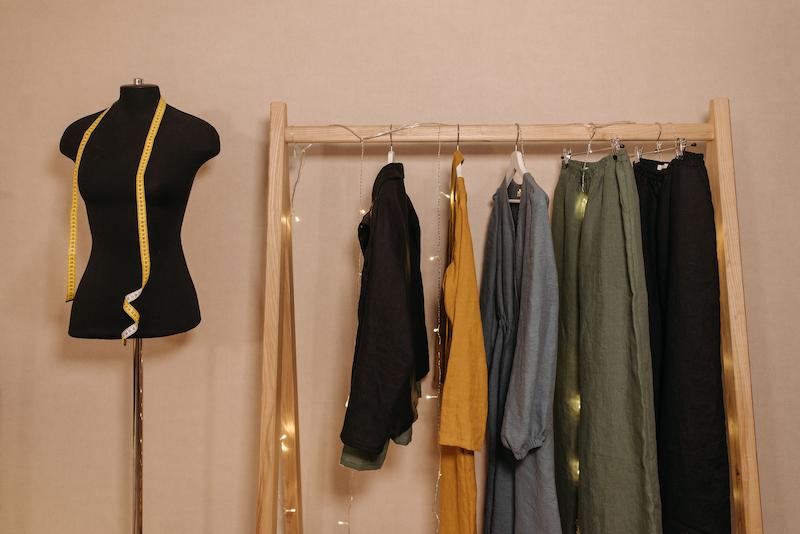
When a garment is designed to be lightweight, every gram matters. Fabrics, trims, zippers, labels, and more are carefully selected to minimize weight without sacrificing comfort or performance. But one little part that’s often forgotten is sewing thread.
While sewing thread can be only a minor component in the weight of a garment, its impact on construction, durability, looks, and production efficiency can be greater than might be thought. In lightweight and ultra-lightweight fabrics, the wrong thread selection may cause puckering, fabric damage, or result in failure and excessive bulk.
Whether it is in the field of running jackets and outdoor wear, sportswear, technical wear, or summer garments, the choice of thread is playing a bigger role in lightweight garment design.
Why Lightweight Garments Need Special Thread Selection
Lightweight fabrics are typically thinner and more delicate than traditional or conventional fabrics. They could be made of micro mesh, nylon, fine polyester, technical mesh, or light crunchy woven material.
These materials may be less bulletproof when it comes to getting stuck in a needle and difficulty while sewing the material. If you’re using a thread with too much weight, then you will find the seams, and it may make the fabric overstuffed or even ruin it.
For this reason, manufacturers need to find a suitable balance between:
- Thread strength
- Thread size
- Seam durability
- Flexibility
- Appearance
- Fabric compatibility
- Production performance
The objective is not simply to use the thinnest thread available. The thread needs to be both light and sufficiently strong for the desired processing of the seam.
Reducing Bulk Without Sacrificing Strength
One of the biggest problems in lightweight garment-making is managing the bulk of seams.
The thick blinds create a thick seam that may not look as smooth as lighter fabrics. Bulky seams may impact both the aesthetics and usability of some clothes, like windbreakers, activewear, ultralight jackets, and technical shirts.
The use of an appropriate size fine thread may help to make cleaner, less noticeable seams.
Thread thickness is important for this process; however, too fine a thread will make the thread weak or may lead to breakage in the production process. This is why the thread choice must always be evaluated according to the fabric and seam needs and not solely for weight-saving purposes!
Strength Still Matters
Lower weight isn’t a compromise on fragility!
Numerous thin, heavy-duty clothing items are created for stimulating physical activity. For example, if the running jacket is lightweight, it could be used for repeated running and stretching, be washed out, and be used in the outdoor environment.
The sewing thread must be sufficiently strong to hold the seams in place.
Manufacturers should take into account the occurrence of loads on each seam. Thread specifications may differ between high-stress areas that are subjected to high wear stress, as compared to areas that have little or no wear stress.
The key is to achieve the necessary strength without adding unnecessary weight or stiffness.
Flexibility for Comfortable Movement
Lighter clothes are likely to be built to flow with the body’s range of motion. This means sport and active wear as well as outdoor clothing.
A stiff thread may prevent the use of seams or may cause uncomfortable bends and stretches in the fabric.
Using a thread that has the proper flexibility and elongation will allow the seam to move with the fabric instead of snagging and putting strain on it.
It is crucial if lightweight “stretch” fabrics are employed. If there is such a situation, then the thread and stitch patterns should complement each other and allow some freedom of movement of the fabric.
Thread and Fabric Must Work Together
Advanced fabrics can have a very wide range of ways of being used; therefore, there is no universal thread specification for lightweight fabrics.
A lightweight woven polyester, for instance, might need one type of thread than the lightweight knitted fabric or a thin nylon shell, for instance.
Manufacturers need to consider the following before making production:
- Fabric thickness
- Fabric strength
- Stretch characteristics
- Surface structure
- Seam construction
- Stitch type
- Thread size
- Needle size
Correct mixing prevents such issues as fabric tearing, puckering, skipped stitches, and thread breaking.
Fine Threads Can Improve Appearance
When it comes to light- to medium-weight clothing, it’s certainly not difficult to spot the seams. The fabric is very thin, and such small imperfections stand out.
The thread used to sew the seam should be thin and even to improve the appearance of the stitches and lower the density of resulting stitching.
It helps a lot with high-quality technical sport clothes, where the simplicity of the garment and the clean construction are paramount.
The color of the thread is also a factor. Seams can be less evident when the thread is matched with the fabric, or else the thread can be highlighted and used specifically as a feature.
Controlling Seam Puckering
When sewing light fabrics, puckering can be a problem. This is caused by the cloth becoming full or crumpled at seams rather than lying smooth.
Puckering may be caused by several factors:
- Excessive thread tension
- Incorrect thread size
- Improper needle selection
- Excessive stitch density
- Uneven fabric feeding
- Poor machine settings
These can be minimized with the proper size of thread and correct machine tension.
Many times, however, it is not just the thread that needs changing but the whole thread–needle–machine–fabric system must be optimized.
Sewing Performance at High Speeds
In recent years, apparel factories generally are using high-speed sewing machines to achieve the required production targets. The high sewing speed of the machine makes sewing lightweight fabrics difficult, as they are more susceptible to damage from heat (fire-retardant sewing thread), tension or needle penetration.
The thread should glide easily through the machine without getting stuck or snapped off.
Sewing performance may be affected by the ease with which the thread passes through guides, tension devices, and the needle by finish and lubrication (self-lubricating thread).
If you’re delivering thread consistently and there is no mis-shaping, there will be less machine stoppage and stitch uniformity.
Durability After Washing and Use
People usually wash lightweight clothes regularly, especially sports wear and the clothes they wear during the summer season. Therefore, the care process that matters for the product should be washed, dried and evaluated by thread performance after thread.
Manufacturers should consider:
- Thread shrinkage
- Colourfastness
- Seam strength after washing
- Resistance to abrasion
- Resistance to moisture
- Dimensional stability
A thread that will not perform well while it is being sewn but will drastically alter and not appeal to the garment’s outer appearance when washed will have an adverse impact on the garment.
Sustainability and Lightweight Design
There are other ways in which lightweight garment design can enhance material efficiency, such as in terms of the lower levels of raw material used per garment. The importance of thread selection in supporting this objective is emphasised when manufacturers select the correct thread size and when they avoid wasting excess thread.
The sustainability aspect is not to compromise durability, though. If the garment breaks down too soon, it can end up being much more polluting due to waste and replacement.
It is important to choose the correct quantity of thread for the desired performance, not just the lowest use.
Practical Selection Checklist
Manufacturers can ask, This is an appropriate question before endorsing a sewing thread for a lightweight or ultra-lightweight garment:
- Is the thread suitable for the cloth?
- Is there adequate seam strength?
- Does it fit the garment’s movements?
- Does it minimize seam bulk?
- Does it run smoothly at production speed?
- Does the thread match the given needle?
- Does it make a straight line?
- Is it wrinkle-free?
- Will it endure the normal washing and drying processes?
- Has it been tested on the actual fabric and sewing machine?
Responding to these questions prior to production will help avoid many production quality and efficiency issues.
Conclusion
Sewing thread is small, but there is a lot of it that plays an important role in the design of lightweight and ultra-light clothing. The right thread can help manufacturers achieve strong yet flexible seams without adding unnecessary bulk or compromising the appearance of delicate fabrics.
The key to creating a lightweight garment lies in achieving balance. To take into account the interactions between the various factors, manufacturers must evaluate thread size, thread strength, thread flexibility, stitch construction, fabric properties and machine performance, as well as the life of the garment.
Sewing thread is expected to continue to play an important role in the engineering process as demand for lighter garments for sport, outdoor wear, travelling and technical wear increases. The right thread not only makes a garment light, but it also makes it light and comfortable, durable and reliable.