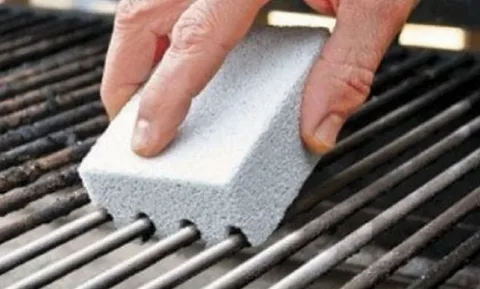
A griddle often becomes the centerpiece of a kitchen, whether you’re flipping pancakes on a Sunday morning or searing vegetables for dinner. But as much as it enhances cooking, it can also become a magnet for grease and stubborn residue. Over time, this buildup affects not only the way your food tastes but also the performance and safety of your cooking space. The good news? With the right cleaner and a few smart techniques, you can restore your griddle to its best condition. This guide explores cleaning options, effective methods, and practical tips to help you keep your griddle spotless and ready for your next meal.
Why a Clean Griddle Matters
The Problem with Grease Buildup
Grease and leftover food particles aren’t just unsightly—they can change how your griddle works. As fats and oils break down, they create sticky layers that cling tightly to the surface. Over time, these residues can produce unpleasant flavors and even form compounds that you wouldn’t want in your food. In addition, a dirty griddle can smoke excessively, making cooking less enjoyable and potentially irritating to anyone nearby.
Health Risks of Neglecting Cleaning
Ignoring griddle maintenance isn’t only a matter of appearance. Harmful bacteria like Salmonella or E. coli can thrive on greasy surfaces, raising the risk of foodborne illness. For people with respiratory sensitivities, the smoke that comes from burning old grease can also trigger breathing problems. Keeping your cooking surface clean isn’t about perfection—it’s about protecting your health and making sure every dish tastes the way it should.
Choosing the Right Cleaner
Chemical vs. Natural Options
When deciding on a cleaner, you’ll usually encounter two categories: chemical-based and natural. Chemical cleaners are designed to cut through layers of grease quickly and are effective for stubborn messes. However, they can leave behind residues if not rinsed properly, which is a concern in any kitchen.
Natural cleaners, on the other hand, rely on simple, safe ingredients such as vinegar, lemon juice, or baking soda. They may require more effort, but they eliminate the worry of chemical traces on your cooking surface. Many home cooks appreciate this balance between safety and effectiveness, even if it takes an extra minute of scrubbing.
For best results, many people prefer to use a dedicated griddle cleaner, as it is formulated specifically to tackle grease and residue without damaging the cooking surface.
Eco-Friendly Choices
Sustainability-minded households are turning to eco-friendly cleaning products that are both effective and kind to the planet. These cleaners often feature biodegradable, plant-based ingredients and avoid harmful chemicals. Some even come in recyclable packaging. For those who prefer a do-it-yourself approach, mixing baking soda and vinegar creates a bubbling reaction that helps lift grime naturally, offering a zero-waste alternative. Looking for products certified by programs like Green Seal can also ensure your cleaner meets high environmental standards.
Cleaning Techniques That Work
A Step-by-Step Deep Cleaning Routine
Keeping a griddle spotless requires more than just a quick wipe-down after cooking. A thorough routine helps preserve its surface, maintain flavor quality, and extend its lifespan. Here’s a detailed process you can follow:
- Let the griddle cool completely
Always wait until your griddle has cooled before starting the cleaning process. Cleaning a hot surface can warp certain materials, cause burns, or even create steam hazards if water comes in contact with the heat. A cooled surface also ensures that your cleaning products work properly rather than evaporating too quickly. - Scrape away loose debris
Once the griddle is safe to touch, use a scraper, spatula, or even a bench scraper to remove any leftover food particles. Hold the tool at a shallow angle to avoid scratching the cooking surface. This step makes the rest of the cleaning easier by tackling the biggest chunks of residue first. - Apply your cleaner
After scraping, it’s time to introduce your cleaning solution. Spray a griddle cleaner evenly across the surface, or, if you prefer a natural method, spread a paste made from baking soda and water. Allow the solution to sit for a few minutes—this gives it time to break down grease and loosen stubborn buildup. For heavily soiled griddles, a second application may be helpful. - Wipe with a damp cloth
Using a clean, damp cloth, start wiping the surface in small circular motions. Rinse and wring out the cloth frequently so you’re not spreading grease back over the surface. If your griddle is large, work in sections to ensure every part gets the same level of attention. - Scrub gently for tough spots
Some spots may resist even after wiping. In these cases, use a non-abrasive scrubbing pad or sponge to lift the residue. Avoid steel wool or overly harsh materials, as they can scratch the griddle’s finish. Gentle pressure combined with the right cleaner usually does the trick without damaging the surface. - Rinse thoroughly
Once you’ve loosened all the grime, rinse the griddle with clean water. This step is especially important if you’re using a chemical cleaner, as any leftover residue could affect the taste of your food. Use a fresh cloth or paper towel dipped in water to wipe the surface until you’re confident it’s completely clean. - Dry completely
Moisture is the enemy of a well-kept griddle. Use a dry towel or absorbent paper towels to remove every last drop of water. Pay attention to the corners and edges, where water often lingers unnoticed. Proper drying prevents rust, which can shorten the life of your griddle and compromise its performance. - Optional seasoning touch-up
For cast iron or carbon steel griddles, consider adding a light coat of oil after drying. Rub a small amount of high-smoke-point oil across the surface with a paper towel to keep the griddle seasoned, protect it from rust, and maintain its nonstick qualities.
By repeating this routine consistently, you’ll keep your griddle polished, safe, and ready for daily use. Over time, the process becomes second nature, and you’ll notice that your griddle performs better, food tastes fresher, and cleanup takes less effort overall.
Common Mistakes to Avoid
- Waiting too long between cleanings. Residue hardens and becomes more difficult to remove.
- Using abrasive materials. Steel wool or harsh pads can scratch the surface.
- Overusing cleaning products. Excess cleaner leaves a sticky film that attracts more dirt.
- Skipping the drying step. Moisture encourages rust, which shortens the griddle’s lifespan.
- Using household chemicals not designed for cookware. Some cleaners can contaminate your food or damage the metal.
By steering clear of these pitfalls, you’ll save time and preserve the quality of your cooking surface.
Beyond Cleaning: Improving Your Cooking Space
Organizing Your Griddle Station
A tidy workspace makes cooking faster and more enjoyable. Keep spatulas, tongs, and scrapers within reach by using wall hooks or a utensil rack. Drawer dividers help keep smaller items neat, while labeled containers reduce clutter and make it easy to grab what you need. Storing oils, seasonings, and frequently used ingredients near your griddle cuts down on prep time and keeps the process smooth.
Lighting is another often overlooked detail. Installing under-cabinet lights or a bright overhead fixture helps you spot spills before they spread and ensures you cook safely and accurately.
Adding Style and Inspiration
Functionality is important, but so is atmosphere. A cooking space that reflects your style can inspire creativity in the kitchen. Choose a color scheme that makes you feel energized, or bring in decorative touches like framed prints, playful signs, or patterned kitchen towels. Fresh herbs in small pots serve a double purpose: they add greenery while providing flavor at your fingertips. Clear glass jars for spices or grains not only keep things organized but also add visual appeal. When your kitchen feels inviting, preparing meals becomes less of a task and more of an experience.
Final Thoughts
A griddle is an investment in both convenience and flavor, but only if it’s cared for properly. By choosing the right cleaner, practicing effective techniques, and avoiding common mistakes, you can extend its life and improve every meal you prepare. Pair a clean griddle with a thoughtfully organized cooking space, and you’ll find yourself enjoying the process as much as the results. With regular use of a dependable griddle cleaner and a little consistency, your griddle will remain the reliable centerpiece of your kitchen, ready to handle everything from quick breakfasts to weekend feasts.